
How ERP Systems Keep Your Supply Chain Running
Running a business today means dealing with surprises — late shipments, supplier problems, sudden demand spikes. The companies that handle these situations well usually have one thing in common: a good ERP system.
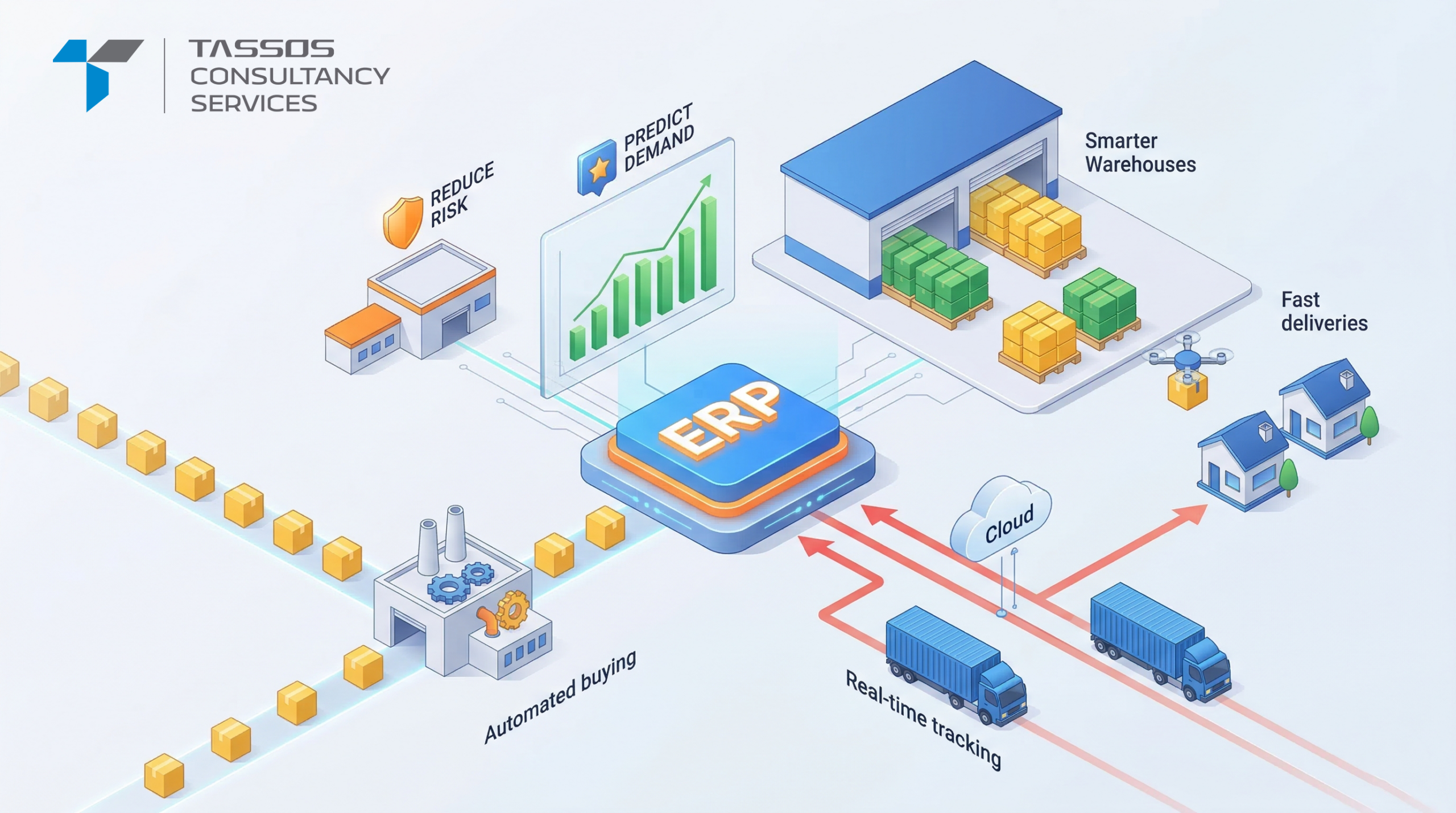
ERP stands for Enterprise Resource Planning. In simple terms, it is software that connects all parts of your business — buying, storing, selling, and shipping — into one system. When everything is connected, you can see problems early and fix them fast.
Why Old Supply Chains Break Easily
In the past, companies built supply chains to save money, not to handle problems. This worked fine — until something went wrong. A delayed shipment, a supplier going out of business, or a sudden jump in orders could bring everything to a halt.
The biggest issue was that different teams used different tools and spreadsheets. When a problem hit, no one had the full picture. By the time leadership found out, the damage was already done.
What a Modern ERP System Does
A modern ERP system brings all your data into one place. Every team — from purchasing to warehousing to sales — sees the same information at the same time. Here is how that helps:
1. You can see everything in real time
You can track where your goods are, how much stock you have, and whether a shipment is running late — all from one screen. If something goes wrong, you know right away and can act before it becomes a crisis.
2. It helps you plan ahead
Modern ERP systems use smart technology to study past data and predict future demand. This means you are less likely to run out of stock or order too much. You can prepare for busy seasons before they arrive.
3. It reduces risk automatically
If your main supplier has a problem, the ERP can automatically switch to a backup supplier you have already approved. This cuts out delays caused by back-and-forth emails and slow decisions during a crisis.
Cloud ERP: Always On, Always Accessible
Older ERP systems ran on computers in your office. If there was a power cut or a hardware failure, the whole system could go down. Cloud ERP systems run on the internet, so they are available from anywhere, at any time.
The key benefits are simple:
• Access from anywhere: Your team can manage operations whether they are in the office, at home, or overseas.
• Grows with your business: No need to buy new hardware when your business expands.
• Better security: Cloud providers protect your data with security tools that most small businesses could never afford on their own.
Smarter Warehouses and Faster Deliveries
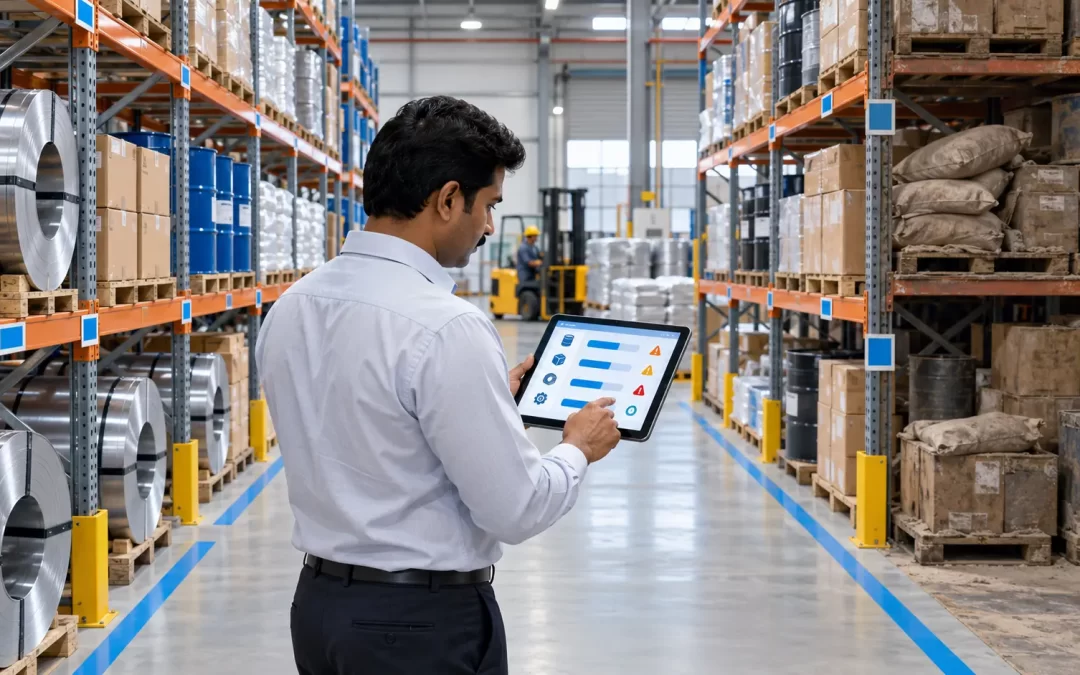
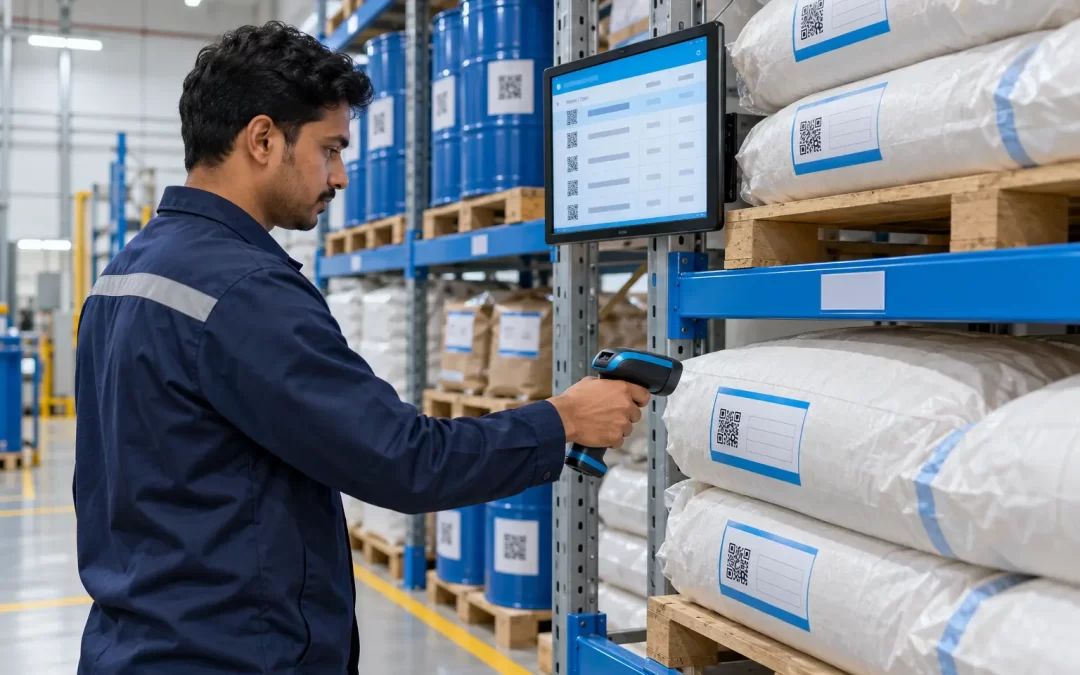
Knowing what stock you have — and exactly where it is — is critical during a disruption. ERP systems give you a live view across all your warehouses at once.
If one warehouse is stuck due to a local problem, you can reroute stock from another location. Customers still get their orders. Your business keeps moving.
Connected Machines, Fewer Surprises
ERP systems can also connect to the machines in your factory. Sensors detect when a machine is about to break down. The system then schedules a repair before the machine actually stops — avoiding costly shutdowns.
Combined with fast internet and smart computing tools, this means your business can respond to problems — like a sudden storm affecting deliveries — almost instantly, often without any human having to step in.
Common Challenges When Getting Started
Setting up an ERP system is not always simple. Three things tend to slow companies down:
• Messy old data: If your current data is scattered or incorrect, it needs to be cleaned up before moving it into the new system.
• Staff not using it: People used to spreadsheets may resist switching. Good training and support are essential.
• Upfront cost: It is an investment. But the cost of being unprepared when a disruption hits is almost always higher.
The smartest approach is to start with the features that give you the most value quickly — like real-time tracking and supplier backup tools — and build from there.
Keywords:
ERP systems, supply chain management, business continuity planning, resilient supply chain, ERP integration, supply chain visibility, real-time data analytics, cloud-based ERP, supply chain optimization, risk mitigation, digital transformation, automated procurement, inventory management software, demand forecasting, logistics management, warehouse management systems (WMS), enterprise resource planning, supply chain agility, data-driven decision making, manufacturing ERP, global supply chain strategy, operational resilience, vendor management, predictive analytics in supply chain, IoT in ERP, AI-driven supply chain, supply chain transparency, procurement automation, strategic sourcing, disruption management, business intelligence, ERP scalability, hybrid cloud ERP, multi-tier supply chain, just-in-time manufacturing, safety stock optimization, lead time reduction, supply chain collaboration, electronic data interchange (EDI), API integration for ERP, sustainable supply chain, cost reduction strategies, enterprise software solutions, digital supply chain twin, business process automation, centralizing data, supply chain mapping, contingency planning, tech-forward logistics, smart manufacturing, ERP implementation, legacy system migration, industry 4.0, smart warehousing.
0 Comments