
Introduction
ERP software was once only for big companies. It was expensive, hard to set up, and needed a lot of IT support. Smaller businesses had no choice but to use basic spreadsheets to manage their work.
That has changed. In 2026, cloud-based ERPs have made it easy and affordable for smaller businesses to use the same powerful tools as the big players. This article shows exactly how.
A Simpler Way to Pay
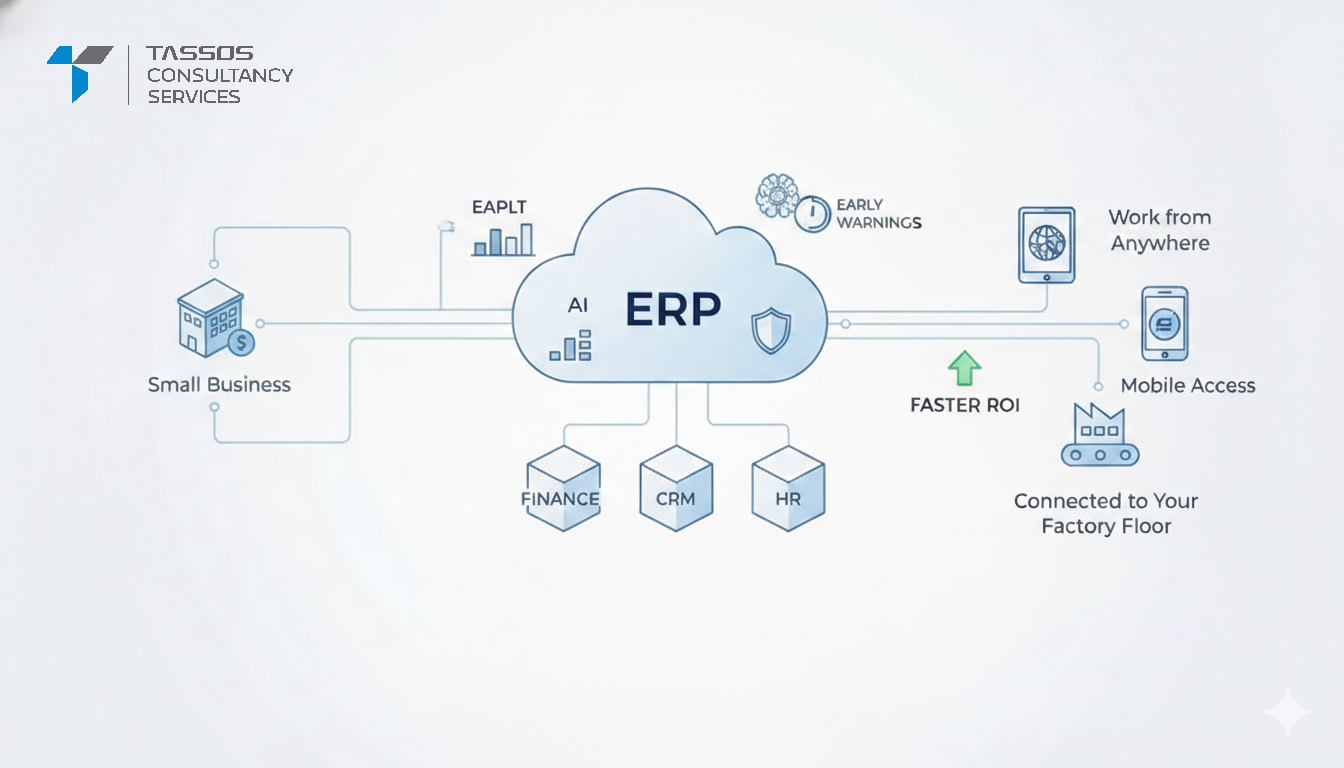
Before, businesses had to spend millions upfront on servers and software. Now they just pay a small monthly fee — like a phone bill — and only for what they actually use.
- No Servers Needed: The cloud company manages everything. No IT room or hardware required.
- Pay Only for What You Use: Pick the tools you need today. Add more later as your business grows.
- Faster Returns: Most cloud ERPs are up and running in weeks, not months. Businesses see their money back in 18 to 24 months.
Smarter Software in 2026
Today’s cloud ERPs are not just for record-keeping. They help owners make faster, smarter decisions. Here is how:
1. AI That Sees Problems Coming
Tools like Newton ERP and Microsoft Dynamics 365 now have AI built right in. It learns from your past data and warns you about issues before they become costly.
- Sales Forecasting: AI predicts how much you will sell, making your guesses up to 20% more accurate.
- Early Warnings: The system flags late deliveries, strange costs, or dropping profits — before you even notice.
2. Build It Like Legos
You do not have to buy the whole package. Start with just finance and accounting. Add CRM, HR, or other tools later when you need them. Platforms like Odoo and ERPNext make this easy.
3. Connected to Your Factory Floor
Small sensors in your warehouse or on your machines send live data straight to your ERP.
- Live Inventory: Always know exactly what stock you have — no manual counting needed.
- Fewer Breakdowns: Sensors warn you when a machine is about to fail, so you can fix it before it stops your work.
Safe and By the Book
Cloud ERPs come with security and rule-following tools already built in.
- Strong Security: Cloud providers have full-time security teams. You get protection your business could never build alone.
- Rules Are Handled: Need to follow GDPR or HIPAA? The ERP already has the tools for that — no extra work needed.
- Work from Anywhere: Check sales, approve payments, and track inventory from your phone, anywhere in the world.
Things to Watch Out For
Switching to a cloud ERP is not always smooth. Keep these in mind:
- Clean Your Data First: Old, messy data will cause problems in the new system. Check and clean it before you move.
- Support Your Team: Change can be hard. Train your staff and help them feel comfortable with the new system.
- Connect Tools Step by Step: Link your website shop or delivery tools one at a time — not all at once.
The Bottom Line
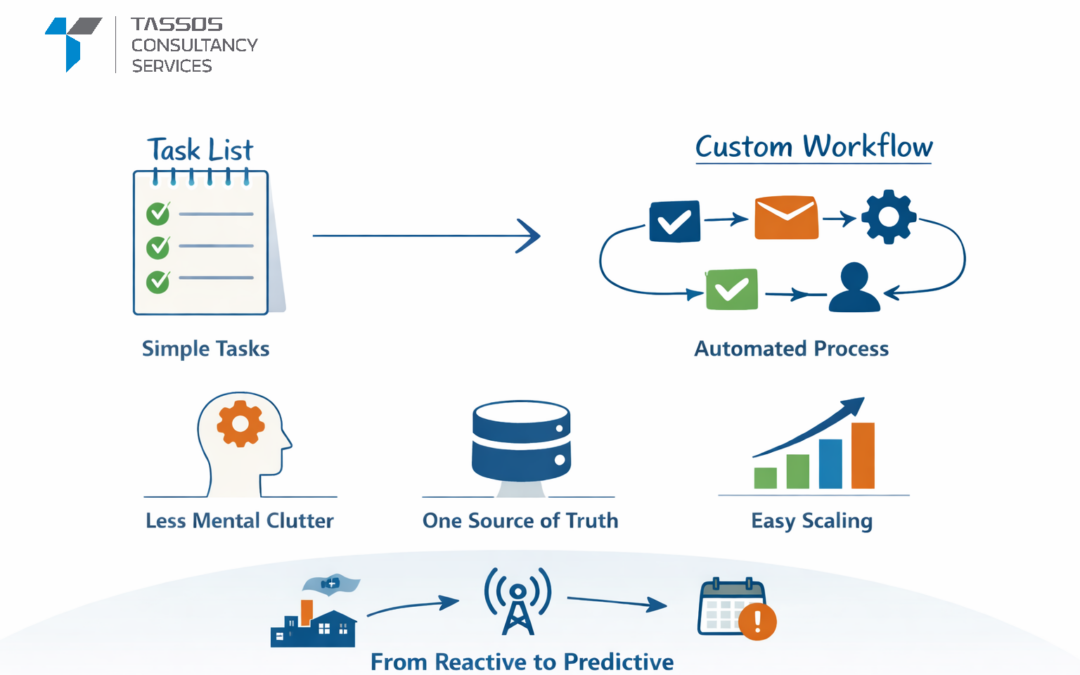
In 2026, a cloud ERP is one of the smartest moves a smaller business can make. It cuts wasted time, keeps all your data in one place, and lets you compete with companies ten times your size.
The era of expensive, complicated ERP systems is over. Affordable, smart cloud tools are here — and smaller businesses are finally on a level playing field.
Keywords :
affordable cloud ERP for mid-market, cloud ERP benefits 2026, SMB business automation, scalable ERP solutions, AI-driven ERP for small business, mid-market digital transformation, cloud-native ERP trends, ERP cost reduction 2026, modular ERP software, open-source ERP benefits, ERP implementation for SMEs, real-time business intelligence, cloud ERP vs on-premise 2026, SaaS ERP for growth, automated financial reporting, supply chain visibility for SMEs, ERP for manufacturing SMBs, low-code ERP customization, zero-trust ERP security, integrated CRM and ERP, cloud ERP ROI, predictive analytics for small business, remote work ERP access, Odoo vs NetSuite for mid-market, ERP Next benefits, Newton ERP features, cloud ERP subscription models, business process optimization, data centralization for SMEs, smart factory ERP integration.
0 Comments