

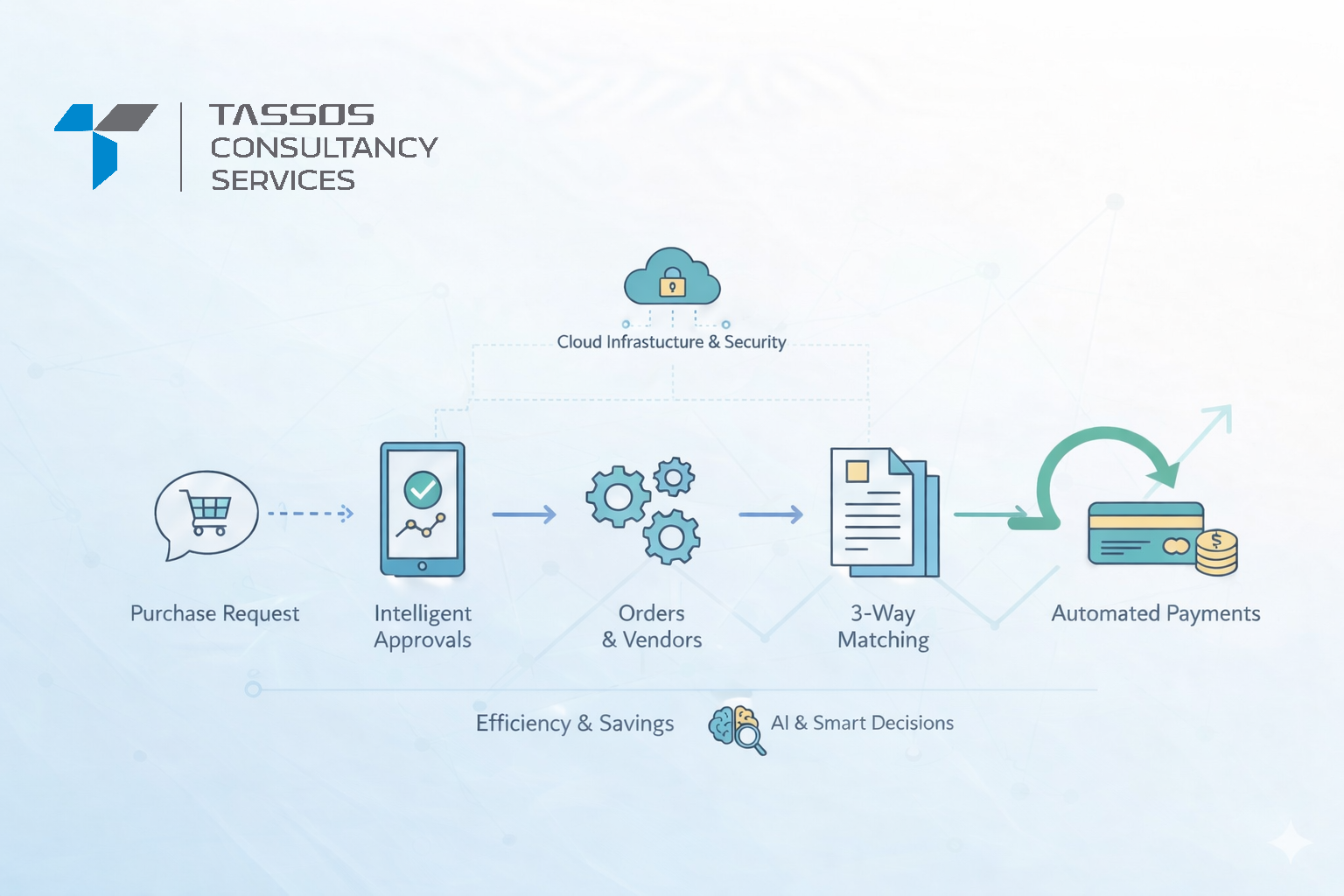
ERP Automation in Procurement: From Request to Payment
In the fast-paced world of modern business, speed is essential. However, for many companies, the procurement process is still stuck in the past—relying on manual data entry, paper forms, and slow email chains. This traditional approach is not only time-consuming but also prone to human error.
By leveraging ERP (Enterprise Resource Planning) automation, businesses can transform procurement from a slow administrative task into a strategic advantage. This article explores how automation changes the game, moving from a simple purchase request to final vendor payment.
The Shift: Why Automate?
As a company grows, relying on spreadsheets and emails becomes risky. It is like trying to run a marathon in shoes that are too small—it holds you back. ERP automation solves this by creating a smarter system that works in three stages:
- Data Collection: Capturing information instantly at the source.
- Smart Decisions: Using digital rules to approve routine transactions.
- Better Insights: Analyzing spending patterns to save money over time.
Phase 1: Smarter Purchase Requests
The process begins when an employee needs a product or service. In a manual system, this involves filling out forms that can easily get lost. An automated ERP simplifies this with self-service portals.
Instead of guessing prices or part numbers, employees select items from a pre-approved catalog. This ensures consistency. The system also adds a layer of intelligence:
- Predictive Ordering: The system can forecast when supplies are running low and suggest a request before a shortage happens.
- Budget Checks: The software automatically checks if the department has enough budget remaining, eliminating overspending.
Phase 2: Intelligent Approvals
Waiting for a manager’s signature is a common bottleneck. Manual approvals can take days, stalling important projects. ERP automation uses workflow logic to route requests to the right person instantly.
Modern systems use Artificial Intelligence (AI) to speed this up further. For example, if a monthly utility bill is the same amount every month, the AI can “auto-approve” it. This frees up managers to focus only on high-value or unusual requests.
Phase 3: Orders and Vendor Management
Once approved, the system automatically converts the request into a Purchase Order (PO). This step removes the need for manual data entry, which is often the root cause of financial errors.
Automation also improves how businesses work with vendors:
- Performance Tracking: The system tracks how fast vendors deliver and the quality of their goods.
- Best Price Selection: The software can automatically send requests for quotes to multiple vendors to ensure the best price.
- Compliance: It automatically checks that vendors meet necessary legal and safety standards.
Phase 4: Receipts and 3-Way Matching
When goods arrive, the system uses technology to verify the shipment. The most critical step in financial automation is 3-Way Matching. The system compares three documents to ensure accuracy:
- The Purchase Order: What did we order?
- The Receiving Report: What did we actually receive?
- The Vendor Invoice: What are we being charged?
If all three match, the invoice is approved for payment immediately. If there is a mismatch, the system flags it for human review. This prevents overpaying or paying for items never received.
Phase 5: Automated Payments
The final step is paying the vendor. An automated ERP schedules payments based on cash flow needs, ensuring the business maintains healthy finances.
- Early Payment Discounts: The system identifies opportunities to pay early in exchange for discounts, saving the company money.
- Fraud Prevention: Payments are only sent to validated bank accounts, reducing security risks.
- Global Support: For international companies, the system handles different currencies and local financial laws automatically.
Overcoming Challenges
While the benefits are clear, implementing automation comes with challenges. Businesses must ensure their data is secure and private. It is also vital to maintain accurate digital records so the AI makes correct decisions. However, with the right cloud infrastructure, these hurdles are easily managed.
Conclusion
AI-powered ERP automation is revolutionizing procurement. By removing manual tasks, businesses can process orders faster, reduce costly errors, and gain a clearer picture of their spending. As technology evolves, these systems will not just record history—they will help predict the future, making procurement a powerhouse of efficiency and strategy.
Keywords :
ERP automation in procurement, procurement software automation, automated purchase requests, digital procurement transformation, procure-to-pay automation, P2P process automation, ERP inventory management, automated vendor payments, electronic invoicing, AP automation, procurement workflow optimization, supply chain automation, enterprise resource planning procurement, automated requisition systems, digital transformation in finance, automated approval workflows, vendor management systems, cloud ERP procurement, real-time procurement analytics, strategic sourcing automation, purchase order automation, invoice matching AI, 3-way match automation, procurement compliance software, cost reduction in procurement, B2B payment automation, automated spend analysis, procurement ROI, digital ledger procurement, ERP integration for SMEs, mid-market ERP procurement, enterprise procurement trends 2026, AI in procurement, machine learning for vendor selection, blockchain in supply chain, automated RFQ processing, contract management automation, procurement risk mitigation, sustainable procurement tech, electronic data interchange EDI, API-led procurement, mobile procurement apps, self-service procurement portals, centralized procurement platforms, decentralized procurement control, budget tracking automation, accounts payable efficiency, automated credit memos, procurement audit trails, secure vendor portals, global procurement automation.
0 Comments