

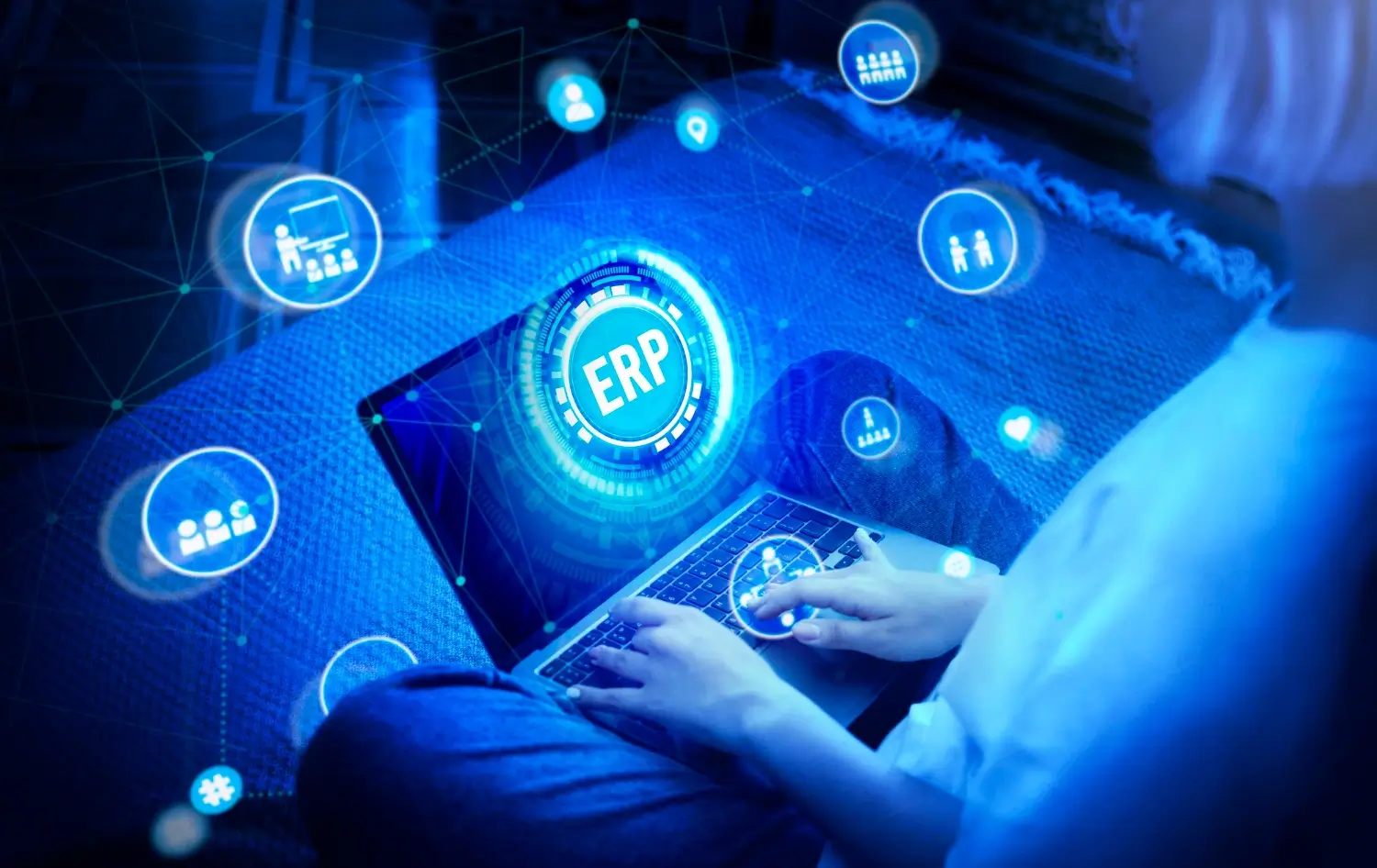
Integrated Cloud ERP: The Smart Future of Enterprise Efficiency
In today’s fast-paced digital landscape, organizations—especially government institutions and modern enterprises—can no longer rely on scattered spreadsheets, isolated tools, or outdated systems to handle their complex, day-to-day operations. An Integrated Cloud ERP (Enterprise Resource Planning) system offers a unified, cloud-based platform that connects multiple core business functions in one secure interface with real-time data access, fundamentally transforming how organizations operate.
What Is an Integrated Cloud ERP System?
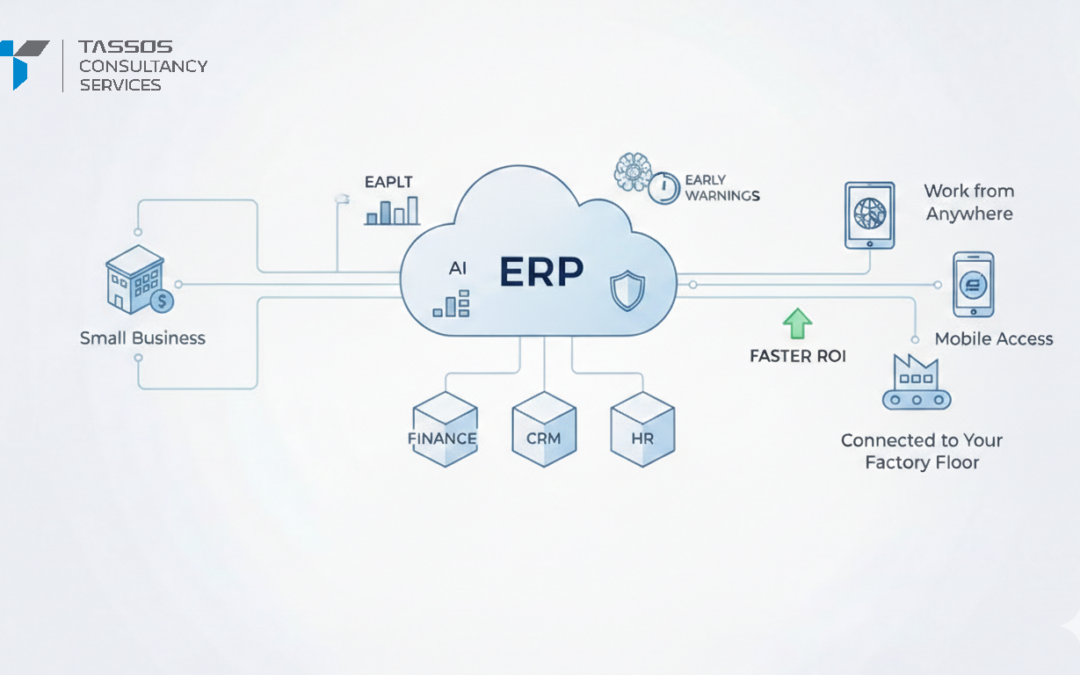
An integrated ERP system is a cloud-based platform that consolidates numerous vital business functions into a single, user-friendly interface with real-time data access. These functions include:
- HR & Payroll Management
- Finance & Accounting
- Inventory & Logistics
- CRM & Sales
- Procurement & Vendor Management
- Performance Analytics
This integration replaces the fragmentation caused by isolated tools, reduces errors, time wastage, and inefficiencies, while significantly improving operational transparency.
Ten Compelling Advantages of Integrated Cloud ERP
1. Smart & Centralized Executive Dashboard
A single, real-time dashboard provides a 360° view of organizational health—covering workforce metrics, approvals, revenue, support tickets, and alerts. This enables leaders to make faster, data-driven decisions without having to search through disparate reports.
2. Automated HRMS & Payroll
Automation of attendance tracking, biometrics, payroll cycles, leave and shift management, and employee lifecycle records drastically improves accuracy, reduces human error, and ensures compliance with regulatory requirements. This eliminates reliance on manual data entries and streamlines HR operations.
3. Complete CRM for Enhanced Customer & Citizen Experience
With every lead, inquiry, and support ticket tracked in one system, customer relationship workflows become more efficient, ensuring timely follow-ups and no stakeholder is overlooked. This unified CRM boosts satisfaction for both corporate clients and citizens alike.
4. Intelligent Inventory & Product Management
Real-time stock updates prevent costly situations such as overstocking, stockouts, and financial leakage. Automated reorder alerts help maintain optimal inventory levels, enhancing supply chain agility.
5. Unified Sales & Purchase Operations
Linking sales transactions directly to procurement and vendor management eliminates data duplication, accelerates order-to-cash cycles, and enforces transparent approval processes, resulting in more efficient sales and purchasing workflows.
6. End-to-End Financial Accounting
Real-time tracking of expenditures, invoices, and bookkeeping improves accuracy and audit-readiness. This eliminates delays in financial reporting and provides a clear, transparent view of every transaction, crucial for compliance and governance.
7. Optimized Logistics & Fleet Management
Automation of trip planning, dispatch, fuel management, and delivery tracking cuts transport overhead and boosts overall logistical efficiency.
8. Visual Performance Analytics
Smart graphs and KPI dashboards empower executives to analyze trends, forecast risks, and drive strategic improvements. This data intelligence removes guesswork from decision-making.
9. Robust Security with Role-Based Access
Role-level authorization, encrypted access, and automated backups protect sensitive data, making such ERP systems suitable for government-level security and compliance needs.
10. Scalability & Anywhere Accessibility
Cloud infrastructure allows the ERP solution to scale effortlessly as teams grow or expand geographically. Secure cloud access enables work from any location or device, supporting continuity and agility.
Why Integrated Cloud ERP Is Critical for Government & Enterprises
For government contractors and public institutions, ERP systems tailored to their needs are essential for navigating complex regulatory compliance, including standards like FAR and CAS. These ERP solutions automate detailed reporting, support strict audit requirements, and ensure transparency and control over projects and finances—helping government contractors maintain efficiency and competitive advantage.
Moreover, cloud migration offers streamlined operations, long-term value, and enhanced service delivery essential for modern governments.
The Future Outlook
The ERP landscape is rapidly evolving toward smarter, AI-driven, and cloud-based solutions that deliver deeper insights, smarter automation, and better agility. As AI integrates further with ERP systems, organizations gain significant operational advantages, including faster, data-based decision-making and efficient resource management.
Key Benefits: A Complete Business Transformation
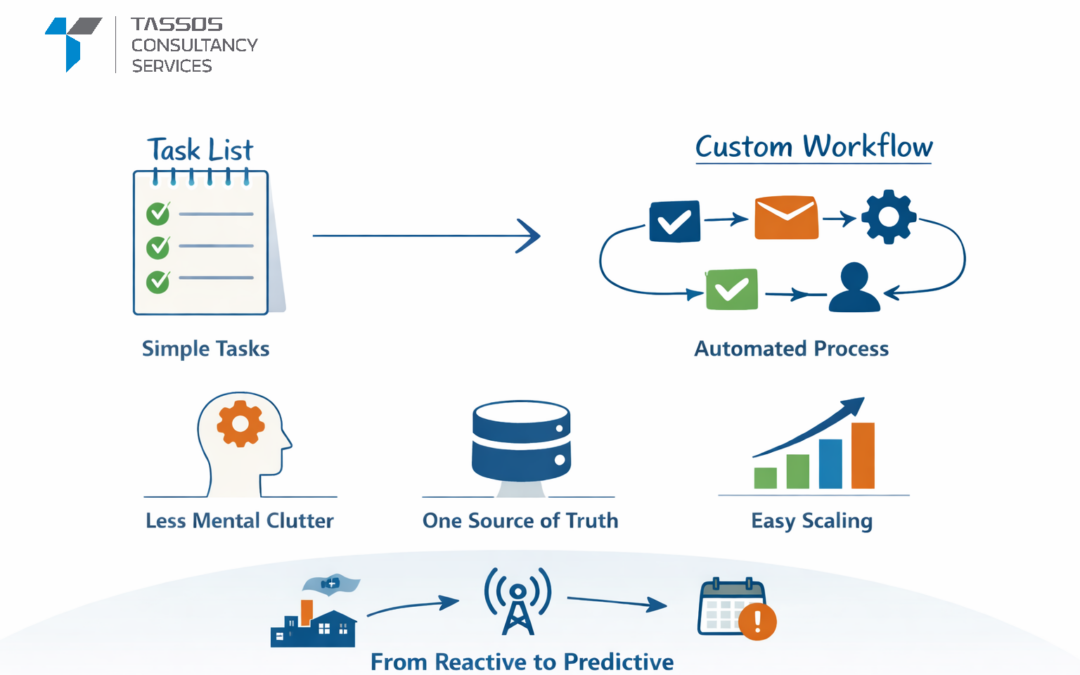
An Integrated Cloud ERP is more than just a software upgrade—it is a complete business transformation. By centralizing HR, CRM, Finance, Inventory, and Operations into a “single source of truth,” organizations can:
- Cut operational costs
- Reduce delays and manual errors
- Boost transparency across departments
- Enhance overall productivity
- Improve quality and speed of decision-making
***
Keywords :
integrated cloud ERP, cloud ERP system, enterprise resource planning software, cloud based ERP solutions, integrated ERP platform, smart ERP system, ERP for enterprises, government ERP solutions, enterprise cloud software, business management ERP, ERP digital transformation, centralized ERP system, real time ERP dashboard, HRMS and payroll ERP, finance accounting ERP, inventory management ERP, procurement management ERP, CRM ERP integration, sales management ERP, unified business platform, cloud ERP for government, secure ERP system, role based access ERP, scalable ERP cloud, enterprise automation software, business process automation ERP, ERP analytics dashboard, performance management ERP, logistics management ERP, fleet management ERP, ERP for compliance and governance, audit ready ERP system, AI powered ERP solutions, next generation ERP, ERP cloud migration, business intelligence ERP, operational efficiency software, enterprise data integration, centralized business data system, ERP for public sector, ERP for government contractors, financial management ERP, human resource ERP system, smart enterprise software, cloud ERP advantages, digital governance software, enterprise productivity platform, ERP modernization strategy, intelligent ERP platform, enterprise workflow automation, cloud business solutions, future of ERP systems.
0 Comments