

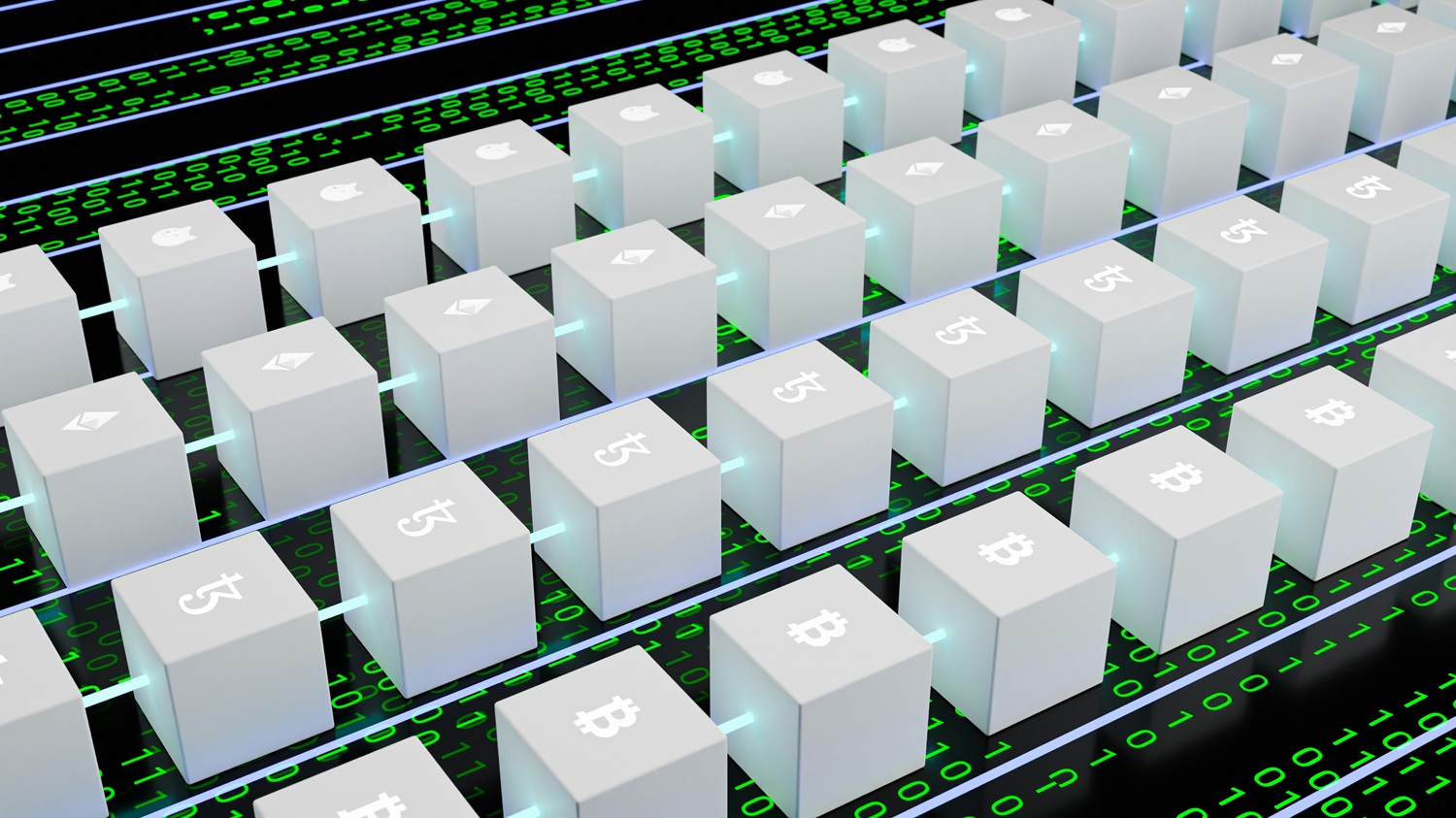
In 2025, blockchain technology is maturing. While the headlines often spotlight cryptocurrencies, the deeper story is one of infrastructure, tokens, real-world assets, and systems of trust. Let’s unpack why blockchain matters now, how it’s evolving, where its major applications are, and what challenges remain.
What is Blockchain Technology — in one sentence
At its core, blockchain is a distributed ledger system that records transactions or data across a peer-to-peer network in a way that is secure, transparent and tamper-resistant.
But today the focus has shifted: it’s less about “digital coins” and more about “digital trust, tokens, assets and data flows”.
Why it’s gaining traction now
-
Enterprises and institutions are exploring tokenization of real world assets: according to one outlook, tokenized assets are set to reach hundreds of billions by 2030. BPM+1
-
Blockchain trends show interoperability, cross‐chain solutions, sustainability and integration with IoT/AI all gaining ground. GeeksforGeeks+1
-
Regulators and governments are more engaged: blockchain use cases in stable-coins, CBDCs, public procurement are expanding. Exploding Topics+1
Key application areas
-
Finance & tokenisation
Blockchain enables assets (funds, bonds, real-estate) to be tokenised — improving liquidity, transparency and settlement speed. BPM+1 -
Supply chain & provenance
With many industries requiring traceability (food, pharma, luxury goods), blockchain provides immutable records from origin to end-user. CrustLab+1 -
Interoperability & cross-chain ecosystems
As multiple blockchains proliferate, bridging them and enabling asset/data flows between is a key trend. GeeksforGeeks+1 -
Decentralised Identity, Governance & Public Services
Blockchain is being used for credentialing, identity verification, public records and smart contracts for governance. unicefventurefund.org+1 -
Integration with IoT/AI and new tech stacks
The convergence of blockchain with IoT, cloud, AI is opening new architectures for trust and data exchange. Appinventiv+1
What to watch — major trends in 2025
-
Sustainability & energy efficiency: As blockchain scales, energy consumption and environmental impact are in focus. TechTarget+1
-
Blockchain as a Service (BaaS): Enterprises increasingly use cloud-provided blockchain infrastructure rather than building everything in-house. Appinventiv
-
Regulatory clarity and institutional adoption: The shift from speculative use to enterprise/government deployment. a16z crypto
-
Tokenisation of real world assets: Properties, bonds, art, everything digitalised via tokens. BPM+1
-
Cross-chain and multi-chain ecosystems: No single ledger rules — interoperability becomes essential. GeeksforGeeks
Challenges and considerations
-
Scalability & throughput: Many blockchain networks still struggle to match the speed of traditional systems.
-
Security & privacy: As data goes on-chain, issues like confidentiality, zero-knowledge proofs and privacy enhancements become important. CrustLab+1
-
Regulatory/regime risk: Legal frameworks vary across regions, and uncertain regulation remains a barrier.
-
Integration complexity: It’s not just “plug blockchain in” — it requires process redesign, data governance, and change management.
-
Hype vs value: Separating meaningful use-cases from marketing claims is essential — value must be clear.
What this means for you and your organisation
-
For business leaders: Look beyond “crypto” and ask: “Where can blockchain deliver transparency, speed, trust, tokenisation of assets in my domain?”
-
For technologists/developers: Build with interoperability in mind, understand smart-contracts, token-standards, cross-chain tools, privacy tech.
-
For policy-makers/implementers: Blockchain offers ways to modernize governance, identity, public records — but needs careful design around equity, access and oversight.
The road ahead
In the near-term (2025-2028): Expect more pilot deployments in regulated assets, private-chain/consortium models, tokenisation of physical assets.
Beyond that (2028+): Greater decentralisation of infrastructure, widespread digital asset ecosystems, possible integration with post-quantum cryptography.
0 Comments